“The Opiated Ocean: Drugs, Addiction and Disease in La Trata Amarilla,” American Historical Review 130, no. 2 (2025)
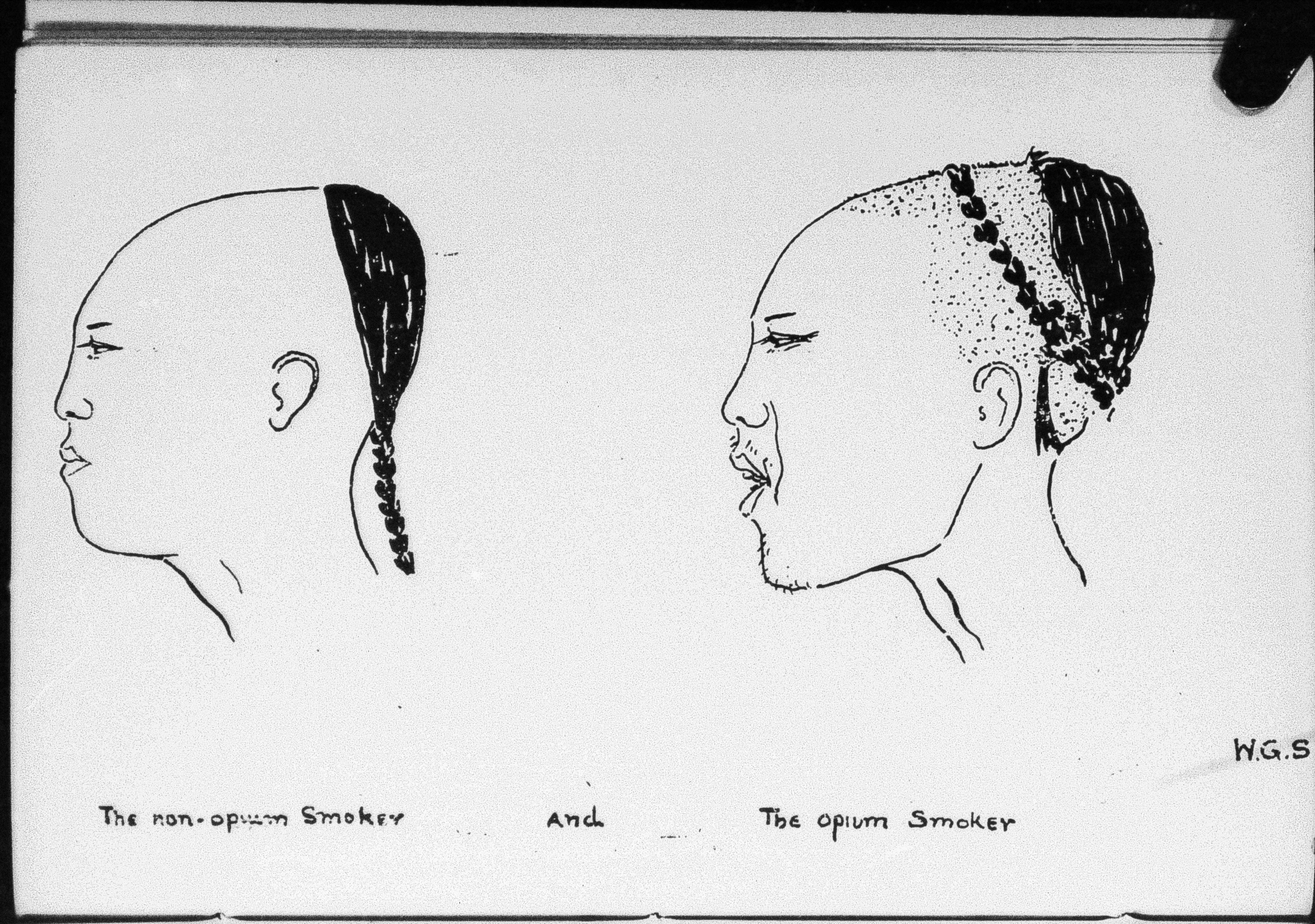
In December 1853, British officials at Hong Kong amended the Passenger Acts to allow the substitution of “opium for tobacco” on voyages taking indentured laborers, or “coolies,” from China to the Caribbean. Authorities in the US, Cuba, and Peru followed suit by legalizing and mandating opium in what became known as la trata amarilla. By using fresh evidence to explore the genesis of this little-known cluster of regulations, this article explains the process through which Western officials authorized the provision of opium as a prophylactic against shipborne contagions, linking the circulation of opium with the global movement of Chinese labor. Whereas scholars have tended to present smoking opium either as a harmless restorative or as a tool of social control, this study calls attention to the prevalence of comorbidities between opium dependence and infectious illnesses such as cholera and typhoid to suggest that, above all, the drug served as a volatile resource necessitated by the exigencies of epidemic risk.
 Alastair Su